
Weight loss
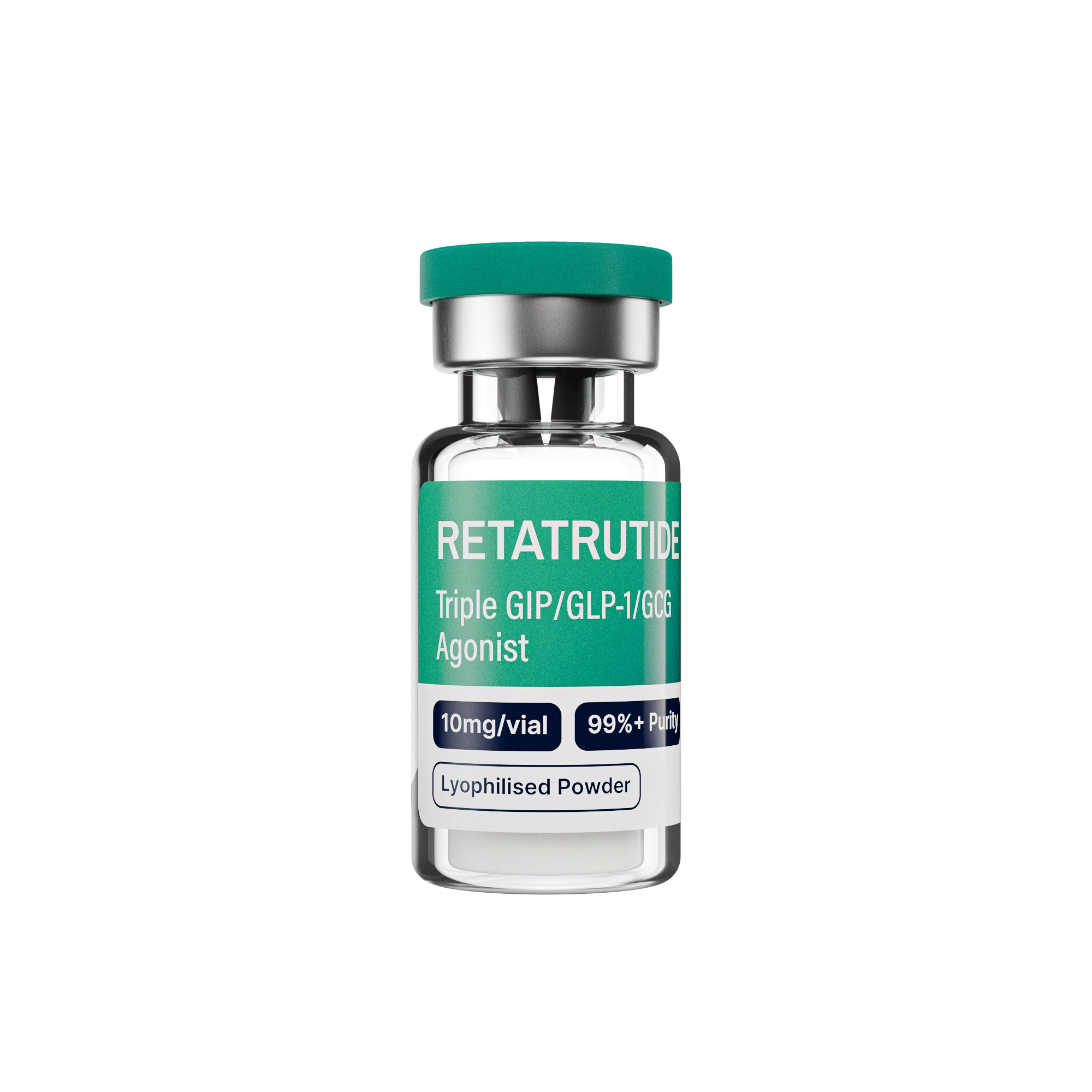
Retatrutide
Triple-action GLP-1/GIP/Glucagon agonist - the most advanced weight loss peptide available.
Semaglutide, Tirzepatide, and Retatrutide are often compared by the amount of weight loss reported in clinical trials. Those numbers are important, but they're only part of the picture. Understanding receptor targets, dosing strategies, and study design provides useful context for interpreting the data. If you plan to buy weight loss peptides Europe, understanding those details matters.
GLP-1 receptor agonists have changed how weight-management compounds are studied. For decades, many approaches relied on calorie restriction, thermogenic substances, or stimulants. These approaches were often difficult to maintain and could be associated with side effects, particularly when stimulant-based molecules were used.
Today, GLP-1 peptides such as Semaglutide, Tirzepatide, and Retatrutide are studied for their impact on incretin pathways (hormone signaling systems implicated in appetite control). This indicates a shift to a hormone-, not stimulant-based approach.
GLP-1 peptides vary in the number of receptor pathways they target. As these molecules were studied further, development shifted from single-receptor molecules to dual- and triple-agonist peptides, each targeting a different combination of metabolic receptors.
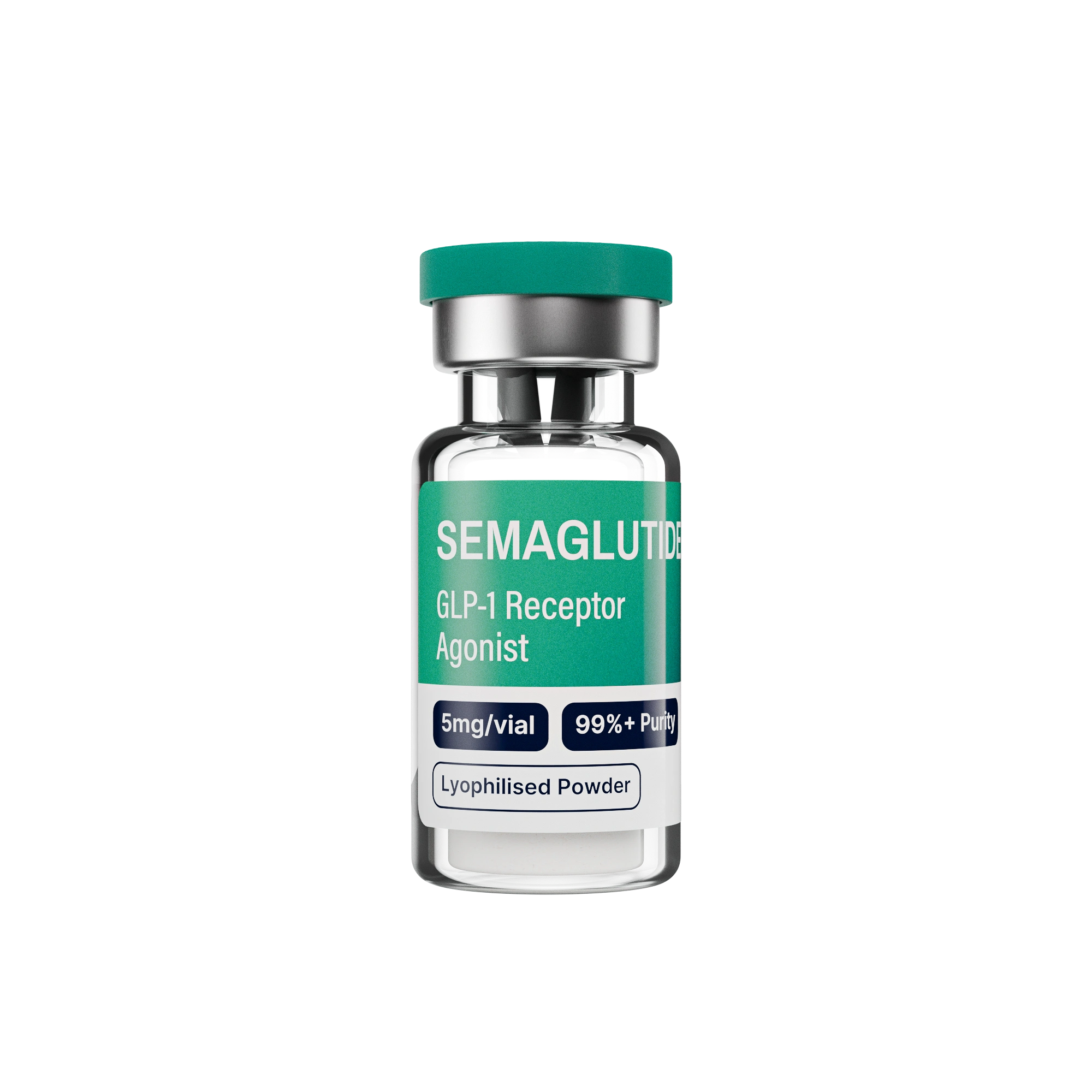
Semaglutide is a single GLP-1 receptor agonist and remains one of the most extensively studied compounds in this class. Across the Phase 3 STEP clinical trial program, which enrolled approximately 4,500 adults with overweight or obesity, Semaglutide 2.4 mg produced mean body weight reductions of around 12–15% over 68 weeks, depending on the study population. Its mechanisms include:
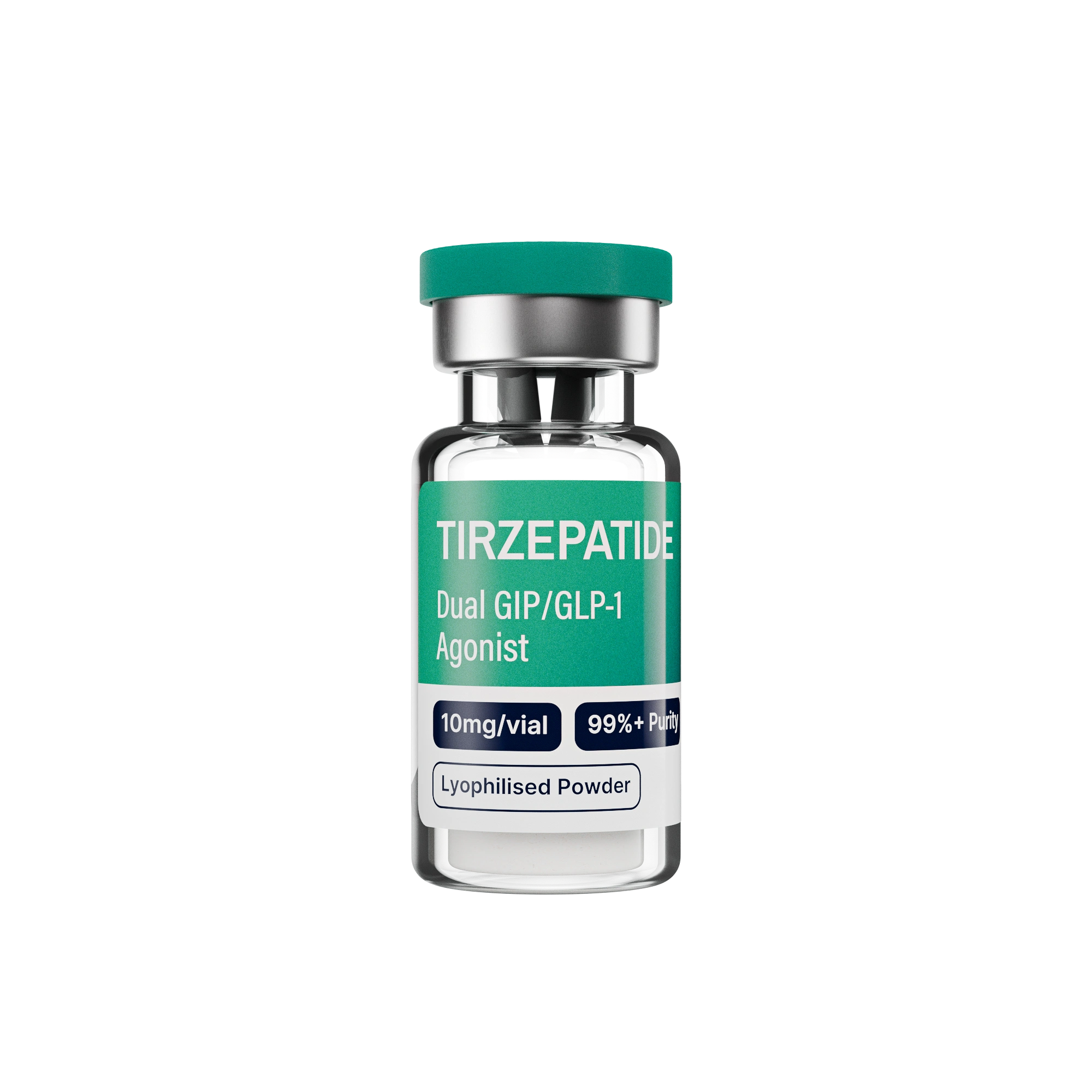
Findings from single-receptor GLP-1 studies have led researchers to develop peptides that activate additional receptor targets. Tirzepatide is a dual GIP/GLP-1 receptor agonist. By activating both glucose-dependent insulinotropic polypeptide (GIP) and GLP-1 receptors, clinical studies in the SURMOUNT program reported average weight reductions of 20–22%. The potential effects of coupled receptor activation on metabolic flexibility (the body’s capacity to switch between energy sources) and fat metabolism are still a topic of active investigation.
Finally, Retatrutide is a triple agonist that targets GLP-1, GIP, and glucagon receptors. In a Phase 2 study published in the New England Journal of Medicine, participants receiving the highest dose achieved mean body weight reductions of up to 24.2% after 48 weeks. The addition of glucagon receptor activity is being studied for its potential effects on energy expenditure and hepatic fat mobilization (the release of stored fat from the liver), alongside its GLP-1 and GIP receptor activity.
| Compound | What It Targets | Study Referenced | Results Reported |
| Semaglutide | GLP-1 | STEP Phase 3 program | ~12–15% over 68 weeks |
| Tirzepatide | GIP + GLP-1 | SURMOUNT program | ~20–22% |
| Retatrutide | GLP-1 + GIP + glucagon | Phase 2 NEJM study | Up to 24.2% over 48 weeks |
Research on GLP-1 peptides relies heavily on accurate titration. Most clinical trials do not begin with the full target dose. Instead, doses are increased gradually to help reduce gastrointestinal side effects such as nausea. Semaglutide protocols often start at 0.25 mg once weekly before moving to higher doses.
As doses increase during titration, small differences in concentration and injection volume become more important. Reconstitution calculations involve several variables at once: peptide amount, water volume, concentration, and dose size. The peptide calculator brings those figures together in one place, showing exactly how much solution corresponds to your chosen dose and how many doses remain in the vial.
If you’re researching weight loss peptides, it helps make sure that dosage values are consistently calculated at each step of a titration procedure.
Accurate dosing is only one part of peptide research. Product quality, storage conditions, and access to reliable scientific information also play an important role. Whether you’re comparing compounds or looking to buy Semaglutide Europe, the MorphoPeptides Knowledge Hub includes articles on weight loss, recovery, anti-aging, cognitive health, sleep, tanning, and sexual health, alongside guides covering peptide reconstitution, storage practices, and current clinical research.
All GLP-1 peptides are supported by third-party Certificates of Analysis, with purity testing performed to ≥98%. Orders are dispatched from within the EU, with typical delivery times of 2–3 business days to Germany and 3–5 business days across most EU destinations. When necessary, cold-chain packaging is used to ensure that temperature-sensitive items maintain integrity while being transported.