
-60%
tra i 20
e i 60 anni
Dou et al., Aging Pathobiology and Therapeutics, 2020 e i 60 anni
Le piccole rughe intorno agli occhi si sono attenuate molto dopo qualche settimana. La mia pelle è più compatta e appare più uniforme.
Il peptide del rame studiato per una pelle più compatta e capelli più folti.
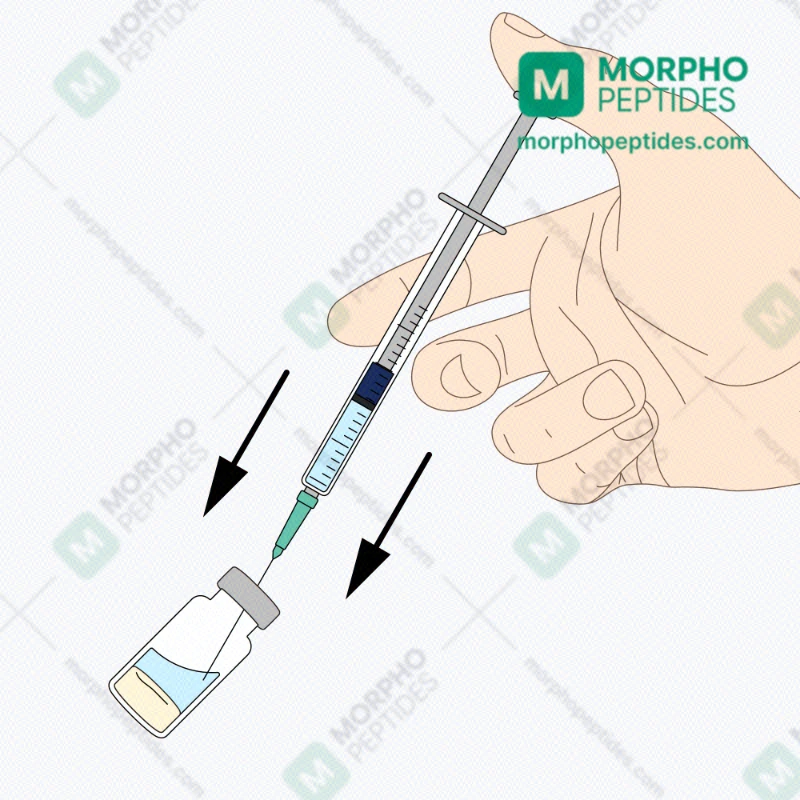 Come usare GHK-Cu / Copper Peptide
La nostra guida illustrata in 17 passaggi, dalla miscelazione alla conservazione.
Come usare GHK-Cu / Copper Peptide
La nostra guida illustrata in 17 passaggi, dalla miscelazione alla conservazione.
Le piccole rughe intorno agli occhi si sono attenuate molto dopo qualche settimana. La mia pelle è più compatta e appare più uniforme.
GHK-Cu (Glicil-L-Istidil-L-Lisina Rame) è un tripeptide legante il rame naturalmente presente nel plasma umano, nella saliva e nelle urine. Identificato per la prima volta nel 1973, GHK-Cu ha attirato l’attenzione quando i ricercatori hanno scoperto che il plasma di individui giovani (età 20-25) poteva stimolare le cellule epatiche vecchie a sintetizzare proteine come le cellule giovani, e che GHK-Cu era il componente attivo responsabile di questo effetto ringiovanente.
Il tuo corpo produce naturalmente GHK-Cu, ma i livelli diminuiscono drasticamente con l’età: da circa 200 ng/ml all’età di 20 anni a soli 80 ng/ml all’età di 60 anni, una riduzione del 60 %. Questo declino è strettamente correlato ai segni visibili dell’invecchiamento: assottigliamento della pelle, rallentamento della guarigione delle ferite, riduzione della produzione di collagene e declino della qualità dei capelli. L’integrazione con GHK-Cu mira a ripristinare concentrazioni giovanili e riattivare i processi di rimodellamento tissutale che rallentano con l’età.
GHK-Cu è efficace sia attraverso l’applicazione topica che l’iniezione sottocutanea, ma i benefici differiscono. Il GHK-Cu topico beneficia principalmente la pelle: riduzione delle rughe sottili, miglioramento della fermezza, attenuazione dell’iperpigmentazione e accelerazione della guarigione delle ferite nel sito di applicazione. Il GHK-Cu iniettabile fornisce benefici sistemici: supporto al collagene su tutto il corpo, effetti antinfiammatori sistemici e supporto per il rimodellamento tissutale interno. Molti utenti fanno entrambe le cose, topico per benefici cutanei mirati e iniettabile per il ringiovanimento su tutto il sistema.
GHK-Cu è ideale per chiunque sia preoccupato per l’invecchiamento cutaneo (rughe sottili, perdita di fermezza, opacità), per gli individui che si riprendono da lesioni cutanee o procedure chirurgiche, per chi sperimenta l’assottigliamento dei capelli legato all’età e per chiunque abbia più di 30 anni che voglia supportare proattivamente il declino naturale della produzione di GHK-Cu nel proprio corpo.
Biomed Res Int, 2015. PubMed →
Oxid Med Cell Longev, 2012. PubMed →
J Cosmet Dermatol, 2002. PubMed →
GHK-Cu è versatile - funziona sia topicamente che tramite iniezione. Il percorso scelto dipende dall'obiettivo primario.
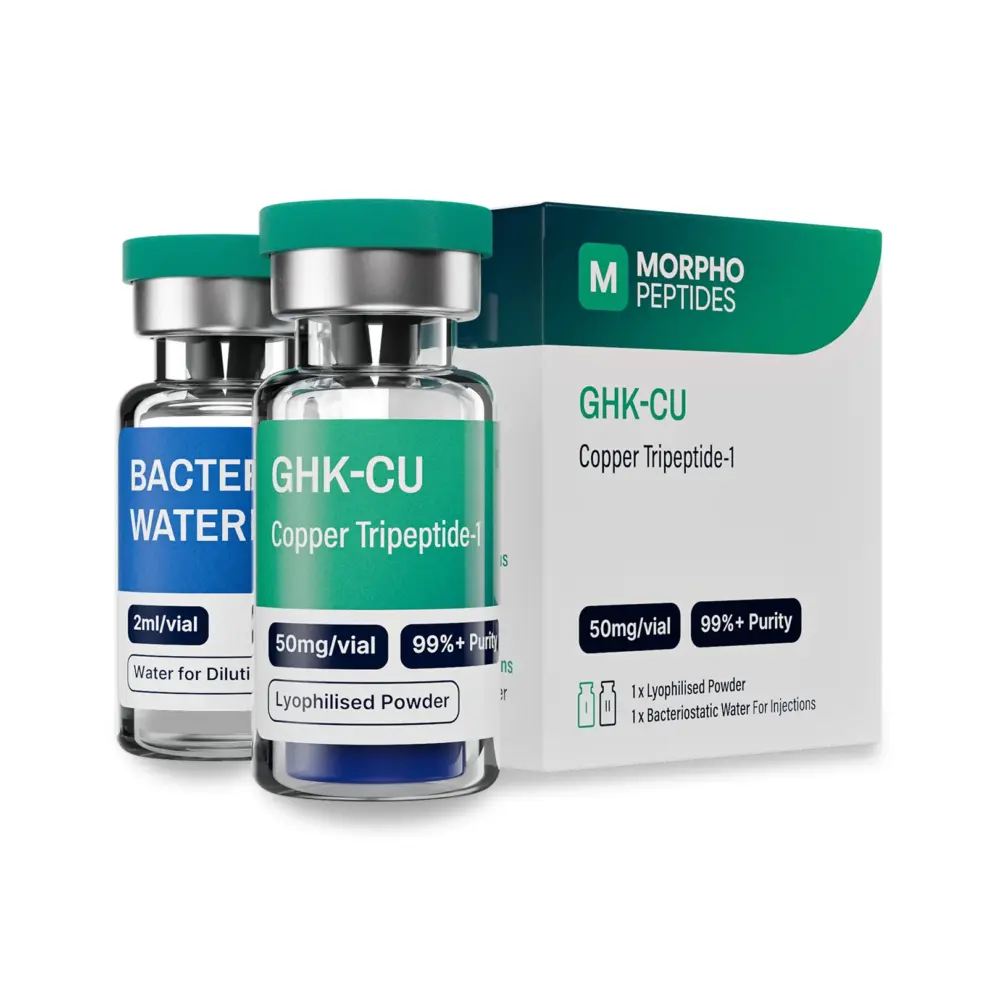
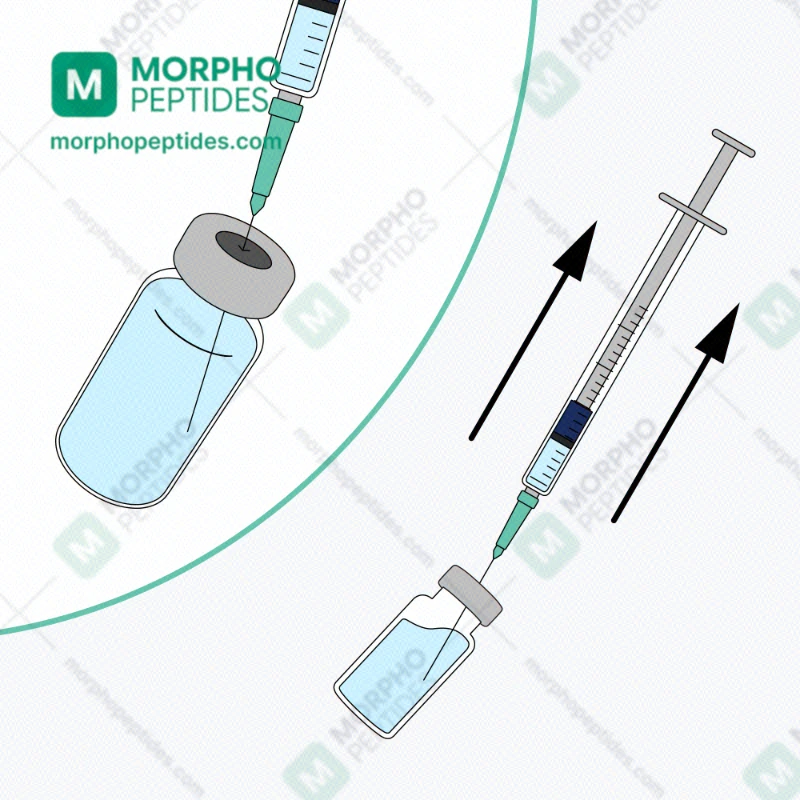
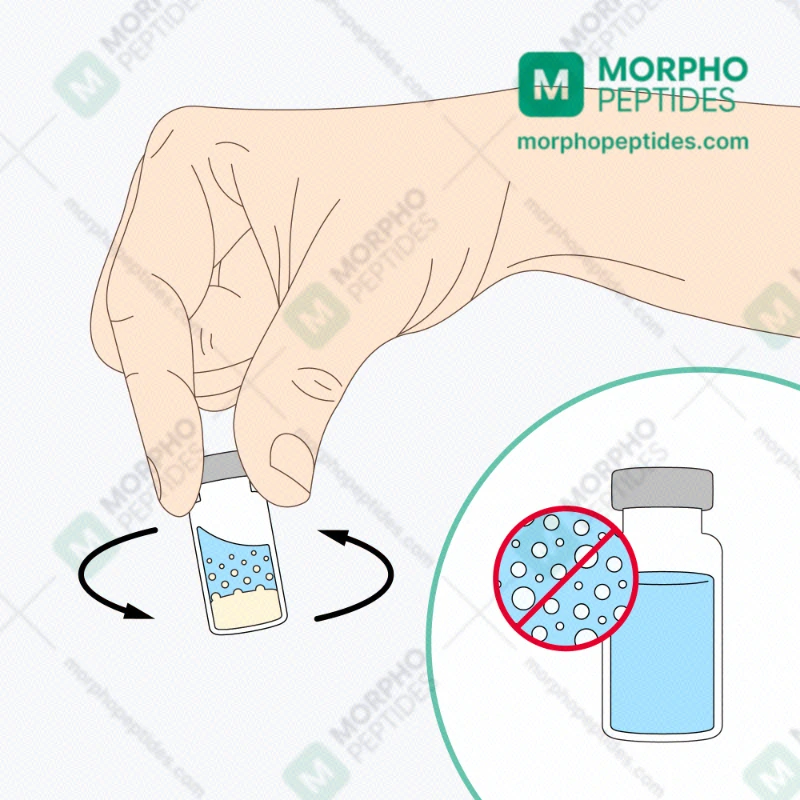
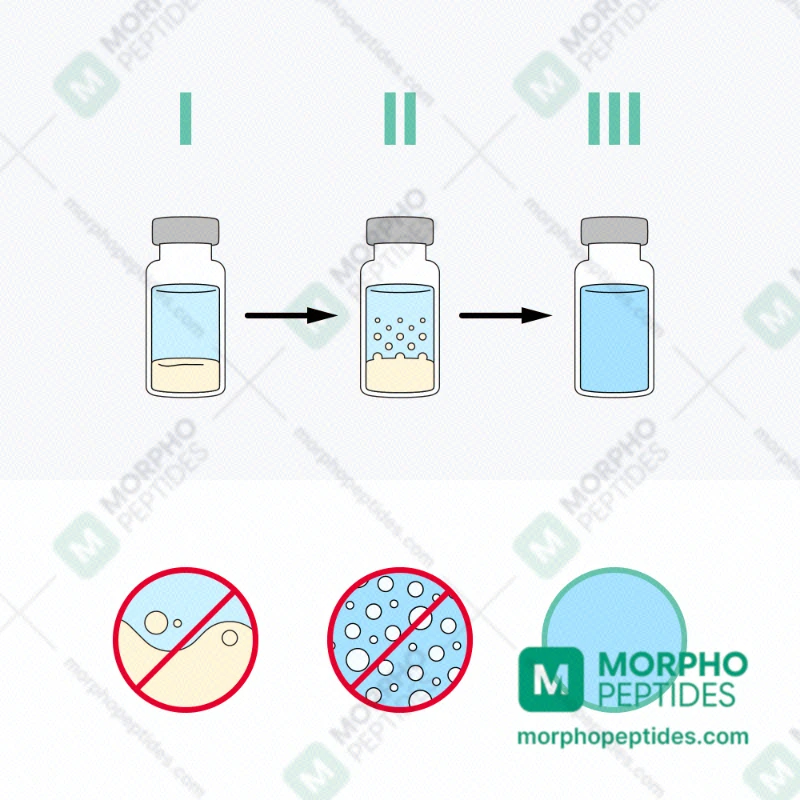
Aggiungere 2 ml di acqua batteriostatica alla fiala da 50 mg (25 mg/ml). GHK-Cu si dissolve facilmente. La soluzione può avere una leggera tinta blu dal rame – questo è normale.
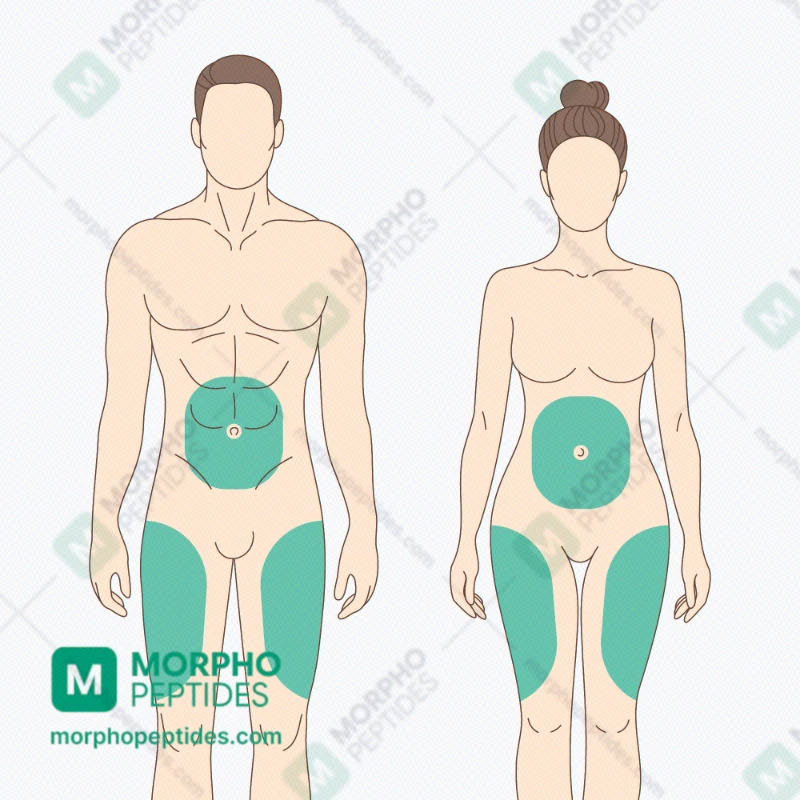
1–2 mg al giorno tramite iniezione sottocutanea. Per benefici anti-invecchiamento sistemici, iniettare nell’addome. Per benefici cutanei localizzati (viso, collo), alcuni utenti iniettano per via sottocutanea vicino all’area target. Eseguire per 4–8 settimane, poi fare 4 settimane di pausa prima di ripetere.
GHK-Cu può essere mescolato in una crema base o siero per applicazione topica. Applicare su pelle pulita su viso, collo e mani una o due volte al giorno. L’uso topico può essere continuato senza ciclizzazione.
Spedizione gratuita per ordini superiori a €250.
Stack principale di longevità - cellulare, cutaneo, mitocondriale. · Standard (~8 sett.)
Nel sangue umano i livelli di GHK sono in media di 200 ng/ml a 20 anni e scendono a una media di 80 ng/ml a 60 anni.
I ratti hanno ricevuto iniezioni ripetute di GHK-Cu in un'area di ferita in via di guarigione. Collagene, proteine e DNA si sono accumulati in quella zona, di più con dosi più alte. La sintesi di collagene è aumentata il doppio rispetto alle altre proteine. Il collagene è la proteina che mantiene la pelle compatta.
Maquart et al., Journal of Clinical Investigation, 1993Il GHK-Cu in liposomi ha fatto moltiplicare le cellule dei vasi sanguigni umani a un ritmo superiore del 33,1%. Le cellule hanno anche prodotto più VEGF e FGF-2, due segnali di crescita per nuovi vasi sanguigni.
Wang et al., Wound Repair and Regeneration, 2017Una revisione della ricerca sul GHK-Cu elenca tra i suoi effetti follicoli piliferi più grandi. Elenca anche più collagene ed elastina e una crescita più rapida delle cellule cutanee.
Pickart, Journal of Biomaterials Science, Polymer Edition, 2008I dati genetici mostrano che il GHK può aumentare o ridurre l'attività di almeno 4.000 geni umani. I ricercatori collegano questo effetto alle sue azioni riparative e protettive sulla pelle.
Pickart et al., BioMed Research International, 2015Fonte: Dou Y et al., Aging Pathobiology and Therapeutics 2020;2(1):58-61; Maquart FX et al., Journal of Clinical Investigation 1993;92(5):2368-2376; Wang X et al., Wound Repair and Regeneration 2017;25(2):270-278; Pickart L, Journal of Biomaterials Science, Polymer Edition 2008;19(8):969-988; Pickart L, Vasquez-Soltero JM, Margolina A, BioMed Research International 2015;2015:648108
Le piccole rughe intorno agli occhi si sono attenuate molto dopo qualche settimana. La mia pelle è più compatta e appare più uniforme.
La densità dei capelli sembra migliorare intorno alle tempie. Solo 6 settimane, ma cautamente ottimista. Ottima qualità del prodotto.
Condividi la tua esperienza. La tua email non sarà pubblicata.
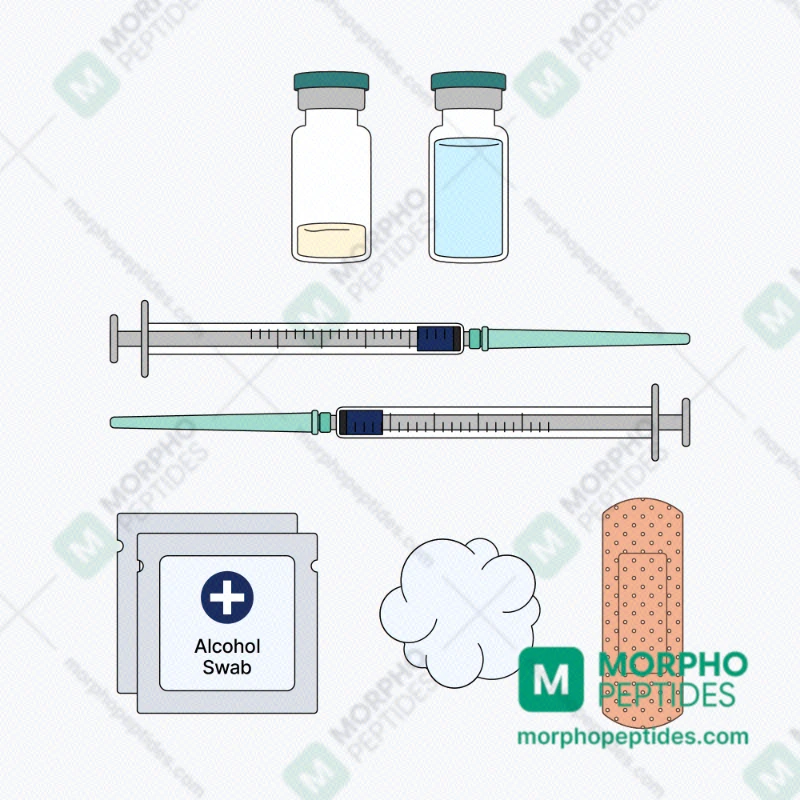
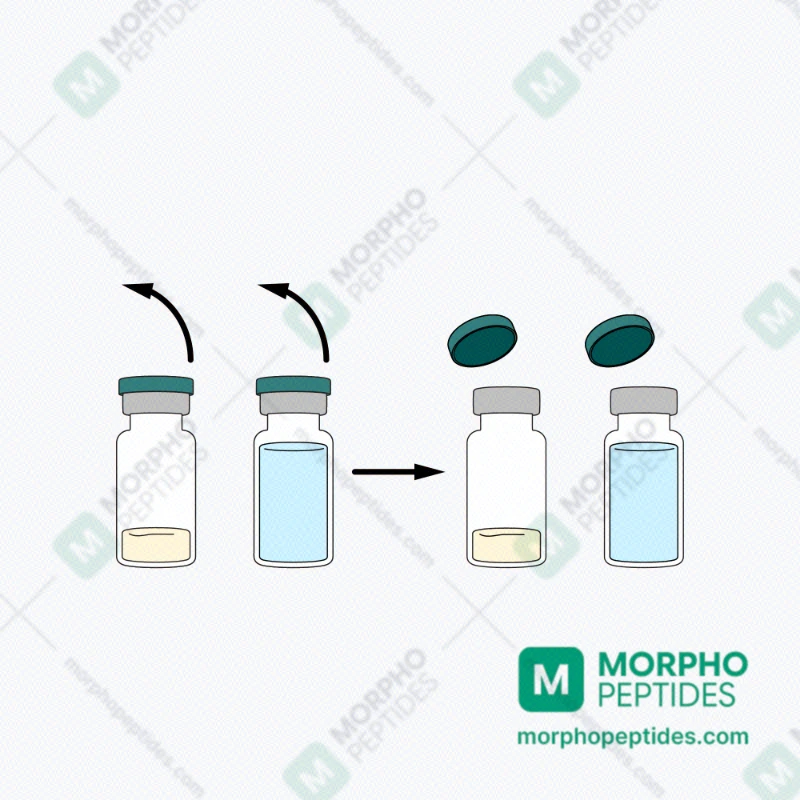
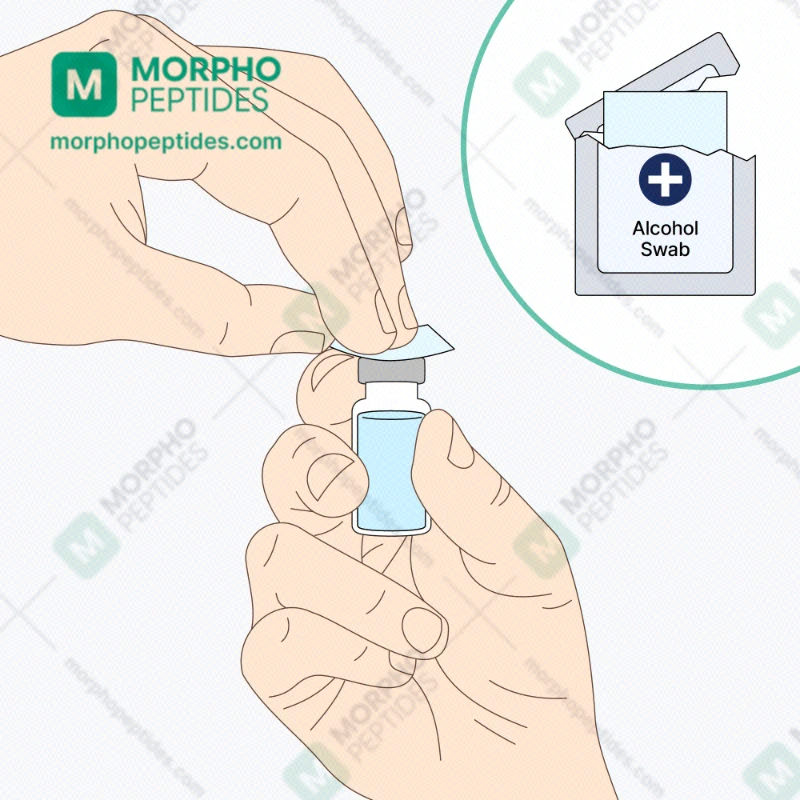
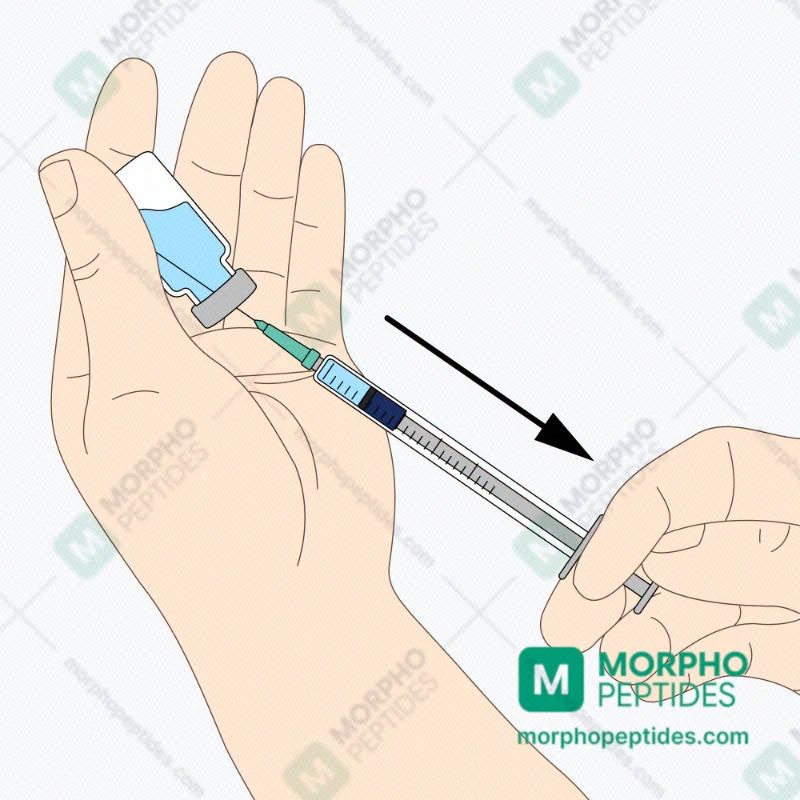
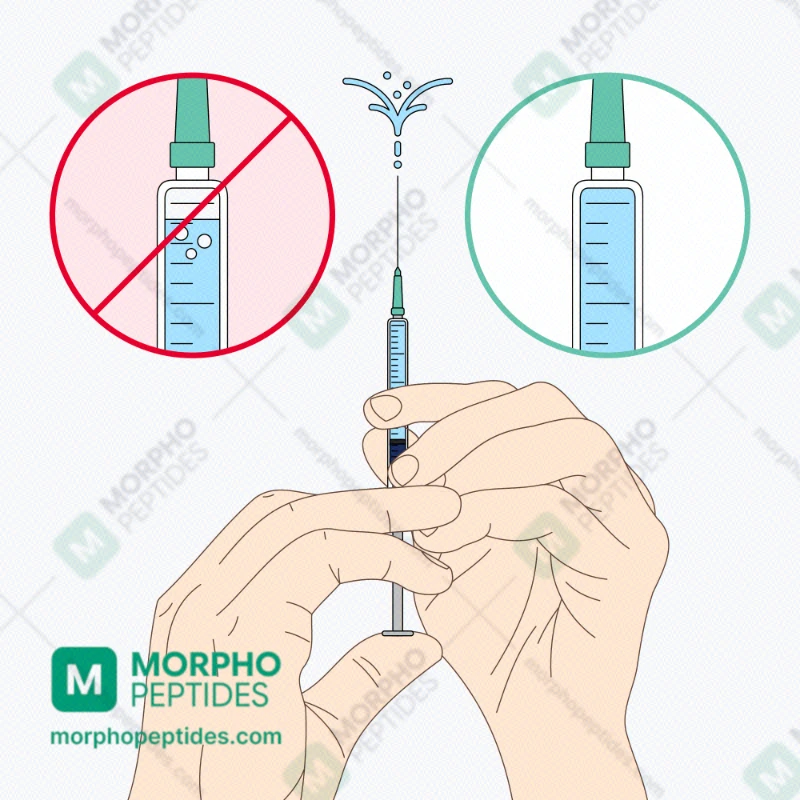
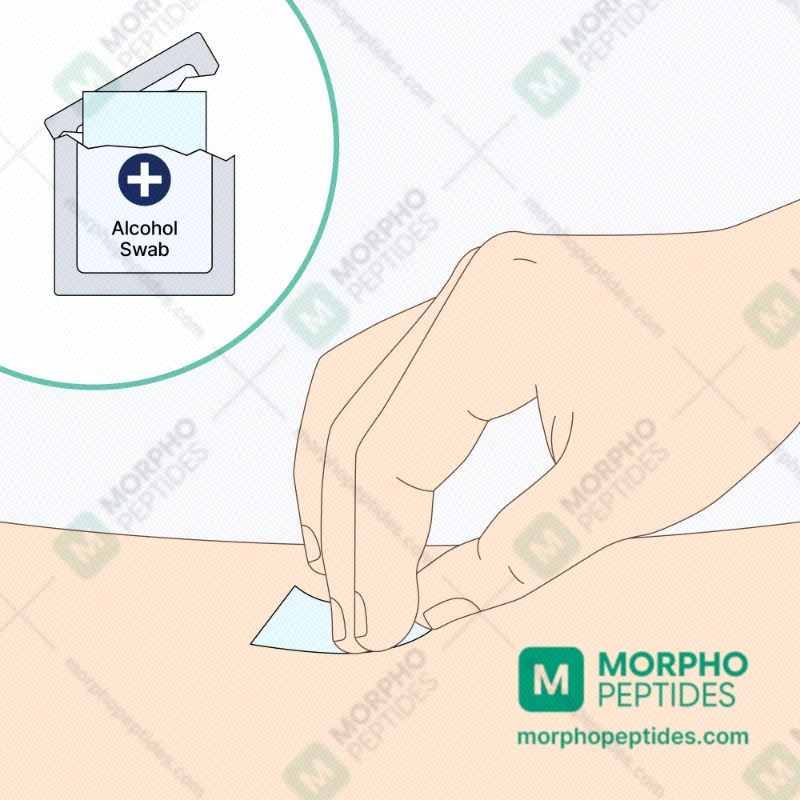
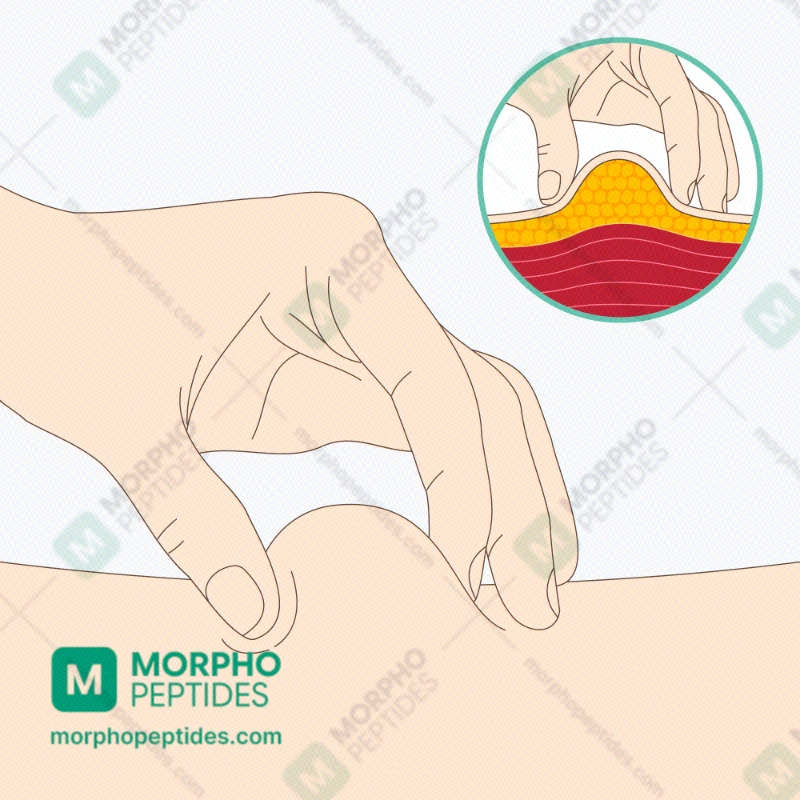
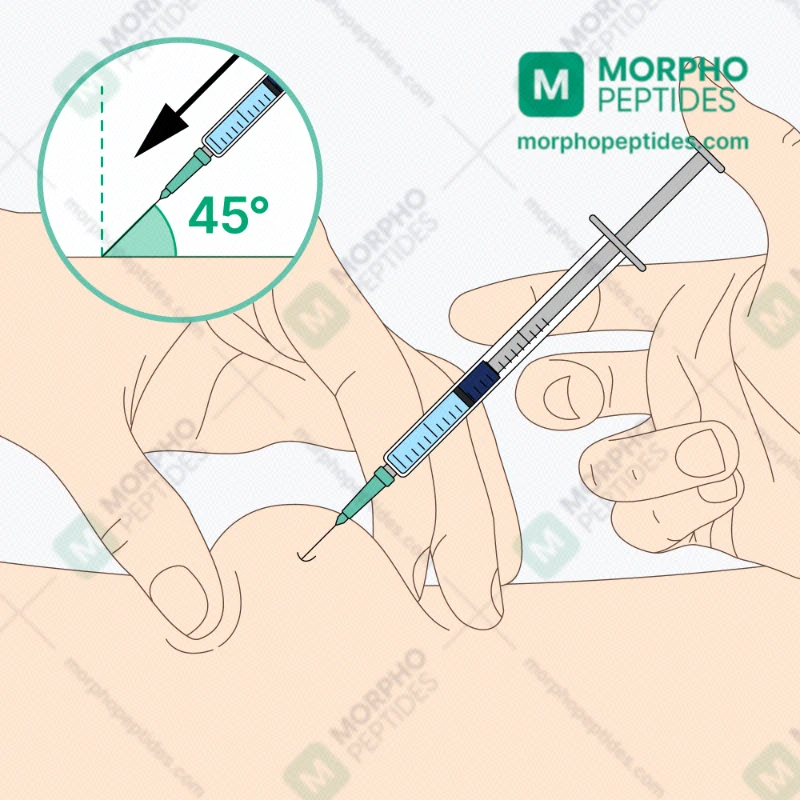
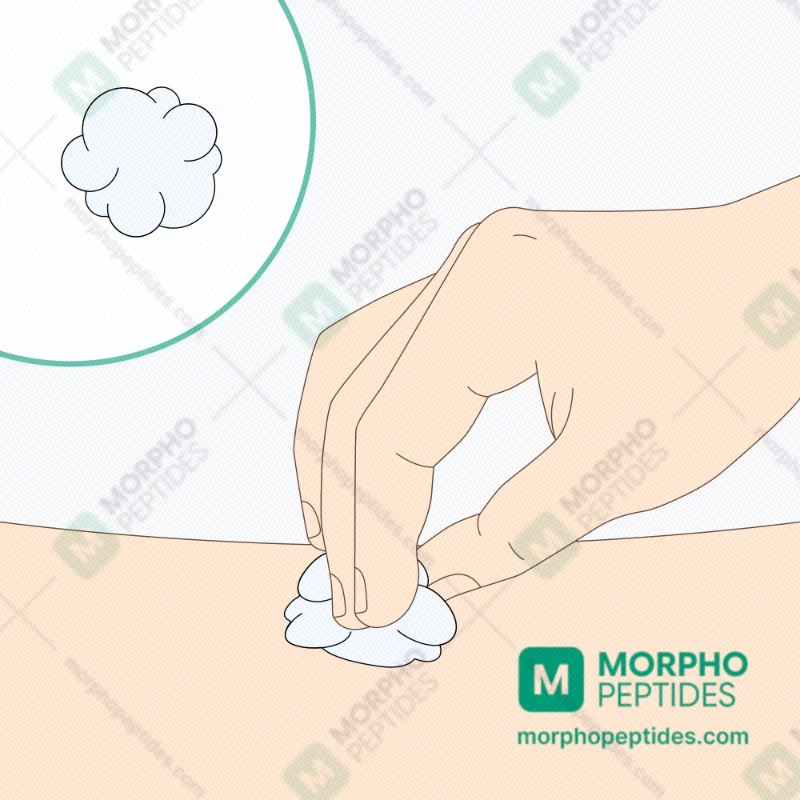
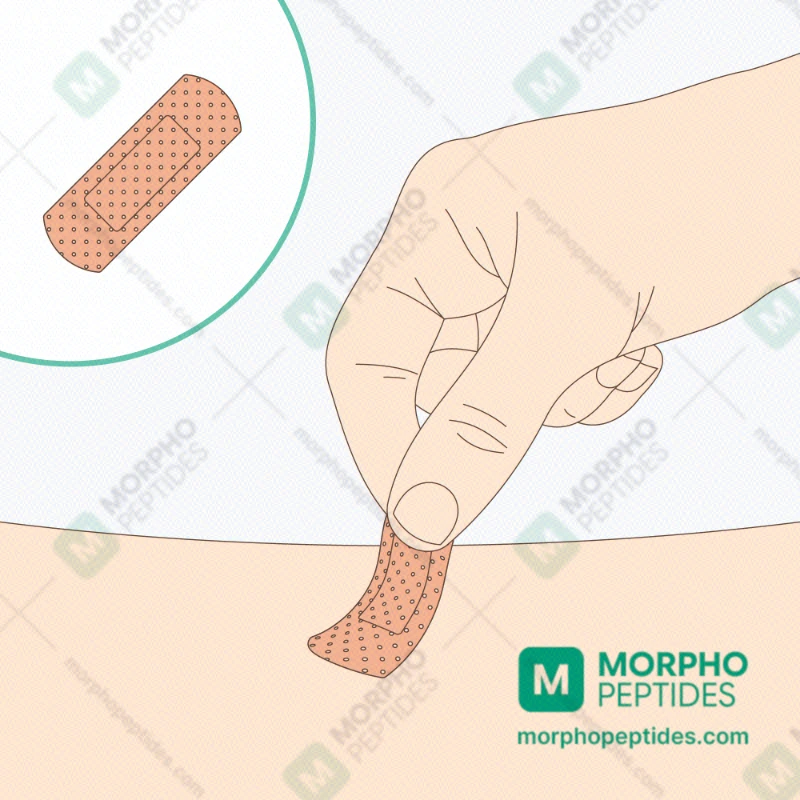
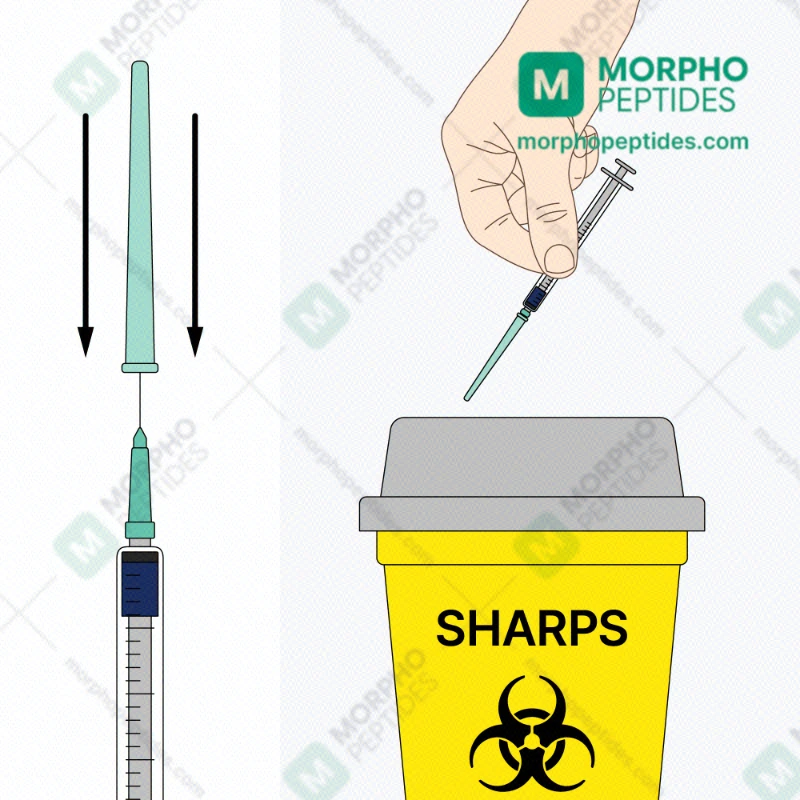
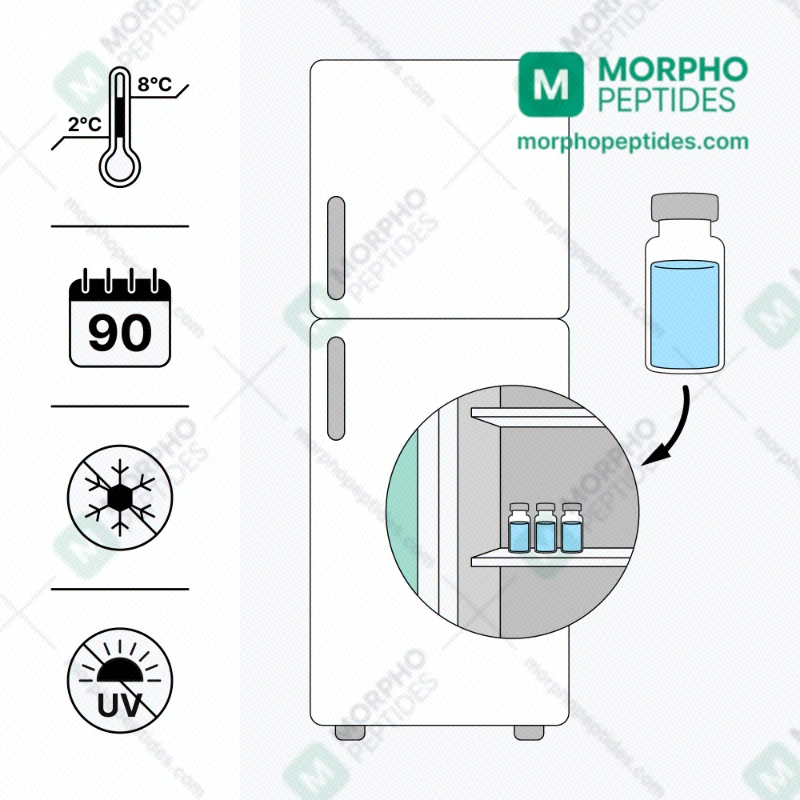
Pronto in 4 fasi, acqua BAC inclusa. Una guida visiva completa per preparare, ricostituire, iniettare e conservare i tuoi peptidi in modo sicuro. Segui ogni passaggio nell'ordine indicato.
Precompilato per questo prodotto. Regola i valori in base al tuo protocollo.
Risposte alle domande più comuni